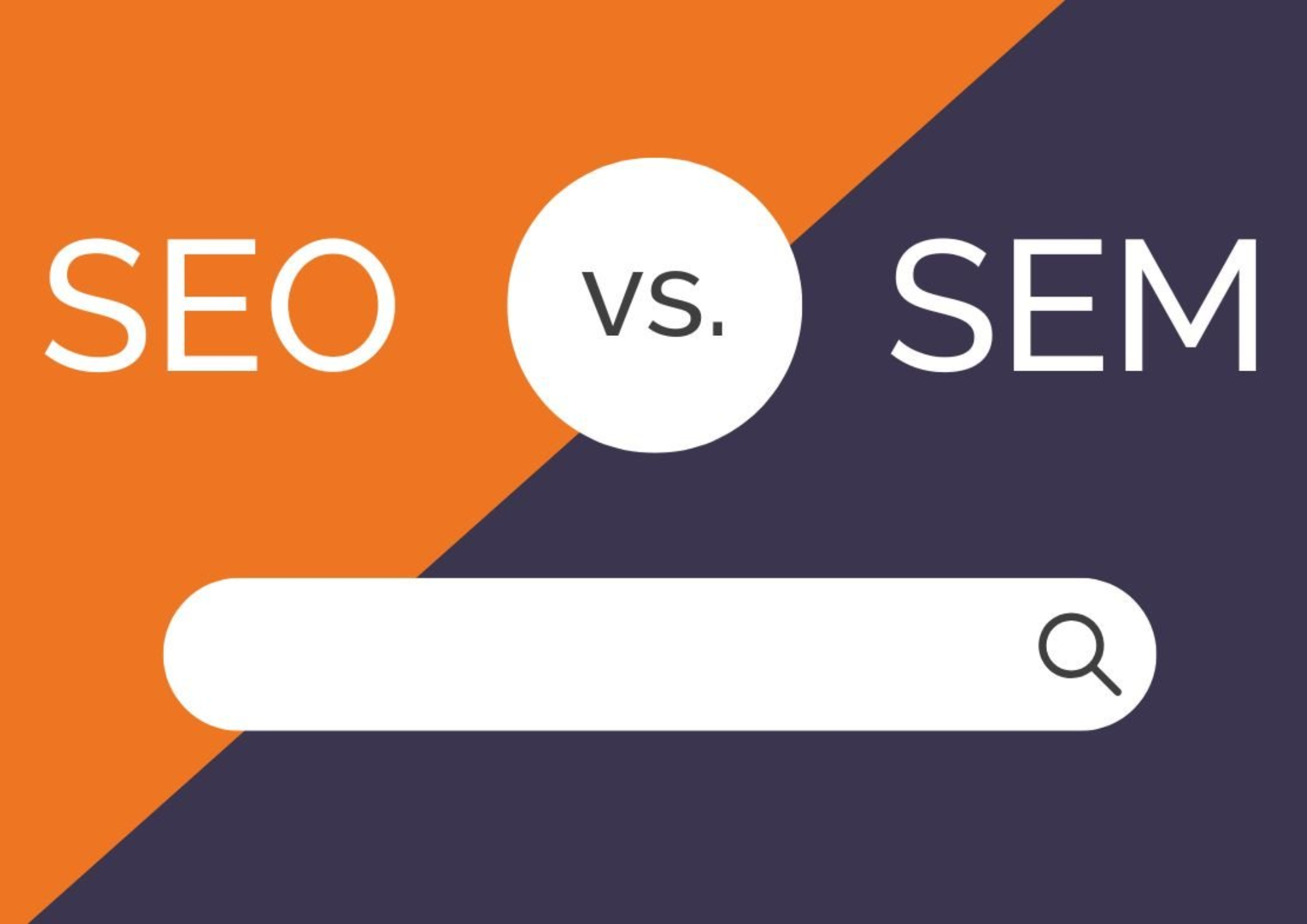
SEO vs SEM: Which One Is Right for Your Business?
In the digital age, every business wants visibility — but the question is how to get it.
Should you focus on SEO (Search Engine Optimization) or SEM (Search Engine Marketing)? While both aim to bring your brand to the top of search results, they work very differently.
In this blog, we’ll break down the key differences, benefits, and how to choose the right strategy for your business in 2025.
What Is SEO (Search Engine Optimization)?
SEO is the process of improving your website’s visibility in organic (non-paid) search results.
It’s all about earning your spot on Google through valuable content, keywords, and a well-optimized website.
The Main Components of SEO:
On-Page SEO – Optimizing website content, headings, meta tags, and keywords.
Off-Page SEO – Building backlinks, brand mentions, and improving authority.
Technical SEO – Enhancing site speed, mobile-friendliness, and structured data.
Content SEO – Publishing relevant, high-quality content that satisfies user intent.
Benefits of SEO:
Long-term, sustainable traffic.
Builds brand authority and trust.
Cost-effective in the long run.
Higher credibility (users trust organic results more).
Limitations:
Takes time to see results (usually 3–6 months).
Requires consistent content and optimization efforts.
What Is SEM (Search Engine Marketing)?
SEM refers to paid advertising on search engines like Google or Bing — commonly known as PPC (Pay-Per-Click) advertising.
Here, you pay to appear at the top of search results instantly for specific keywords.
How SEM Works:
You bid on keywords related to your business.
When someone searches for those terms, your ad appears above organic results.
You pay only when a user clicks your ad (hence the name PPC).
Benefits of SEM:
Immediate visibility and traffic.
Perfect for promoting new products or offers.
Highly measurable and trackable (through tools like Google Ads).
Allows for audience targeting — by location, interest, and behavior.
Limitations:
Can be expensive depending on competition.
Traffic stops when you stop paying.
Requires continuous monitoring and optimization.
When to Choose SEO
Choose SEO if:
You want long-term growth and stability.
You have time to build authority and content.
Your goal is to generate consistent organic traffic.
You’re focused on branding and credibility.
Example:
A local restaurant or digital agency building long-term brand recognition should invest in SEO to rank for local keywords like “best marketing agency in Napervilla.”
When to Choose SEM
Choose SEM if:
You want immediate leads or conversions.
You’re launching a new product or offer.
You’re testing different keywords or landing pages.
You need quick visibility in a competitive niche.
Example:
A real estate company promoting new property listings can use Google Ads to appear at the top for searches like “apartments for sale near me.”
The Best Strategy: Combine SEO + SEM
While SEO and SEM are different, they work best together.
Using both gives you the advantage of short-term results (SEM) and long-term sustainability (SEO).
Here’s how to combine them effectively:
Use SEM to drive traffic quickly while your SEO builds momentum.
Analyze ad performance data to discover high-performing keywords — then target those organically with SEO.
Use SEO for content visibility and SEM for conversions and retargeting.
Together, they form a complete digital marketing strategy that drives consistent growth.
Final Thoughts
There’s no one-size-fits-all answer to the SEO vs SEM debate.
It depends on your budget, goals, and timeline.
If you want instant leads, start with SEM.
If you want sustainable, long-term success, invest in SEO.
And if you want to dominate the search results — combine both for maximum impact.
At ITFTS, we help businesses design custom SEO and SEM strategies that deliver measurable results.
Whether it’s organic growth or paid traffic, our team ensures your brand gets noticed, clicked, and remembered.